

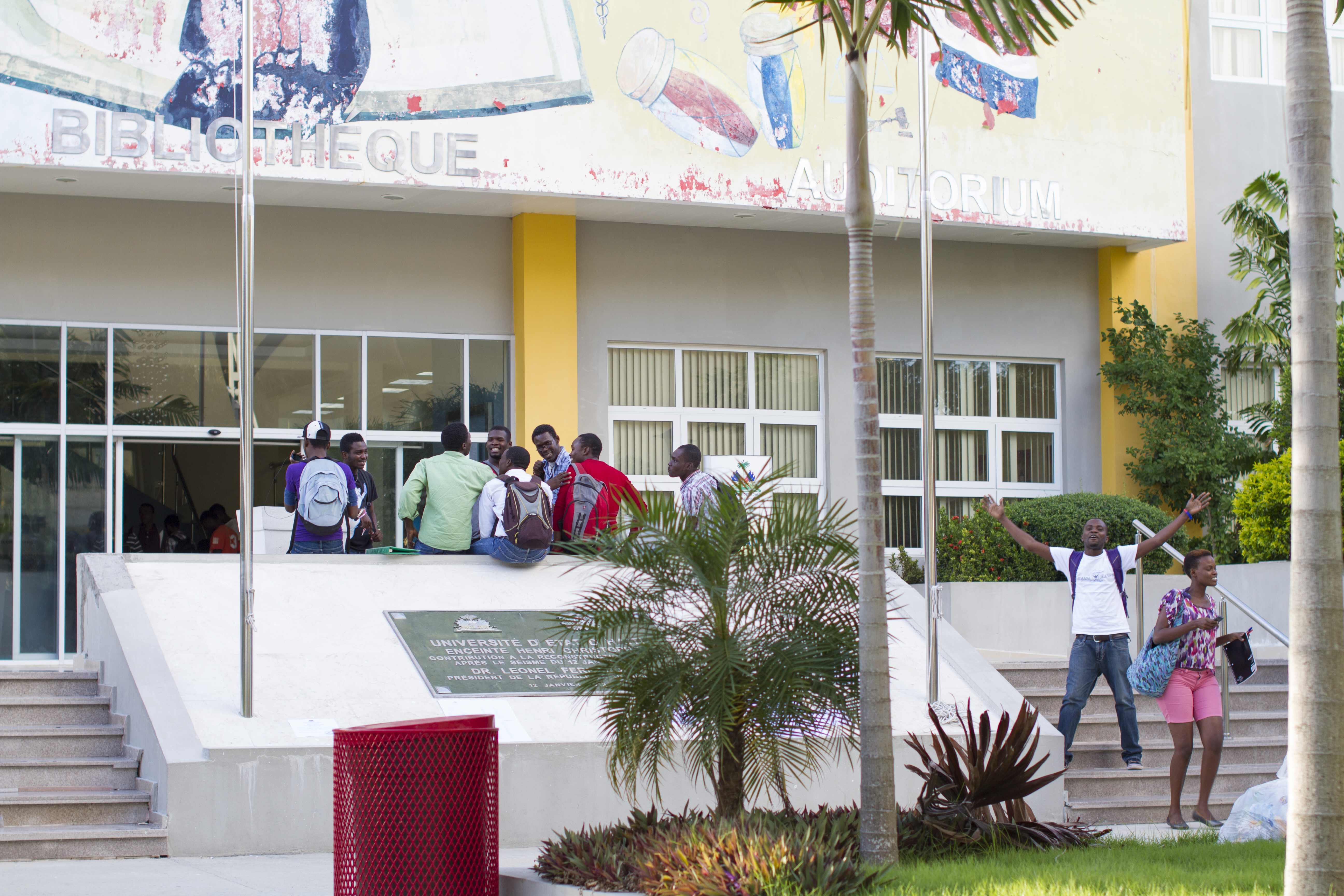
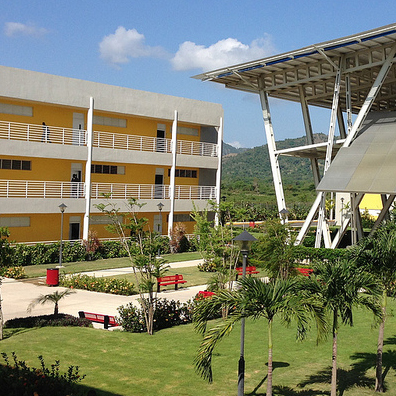
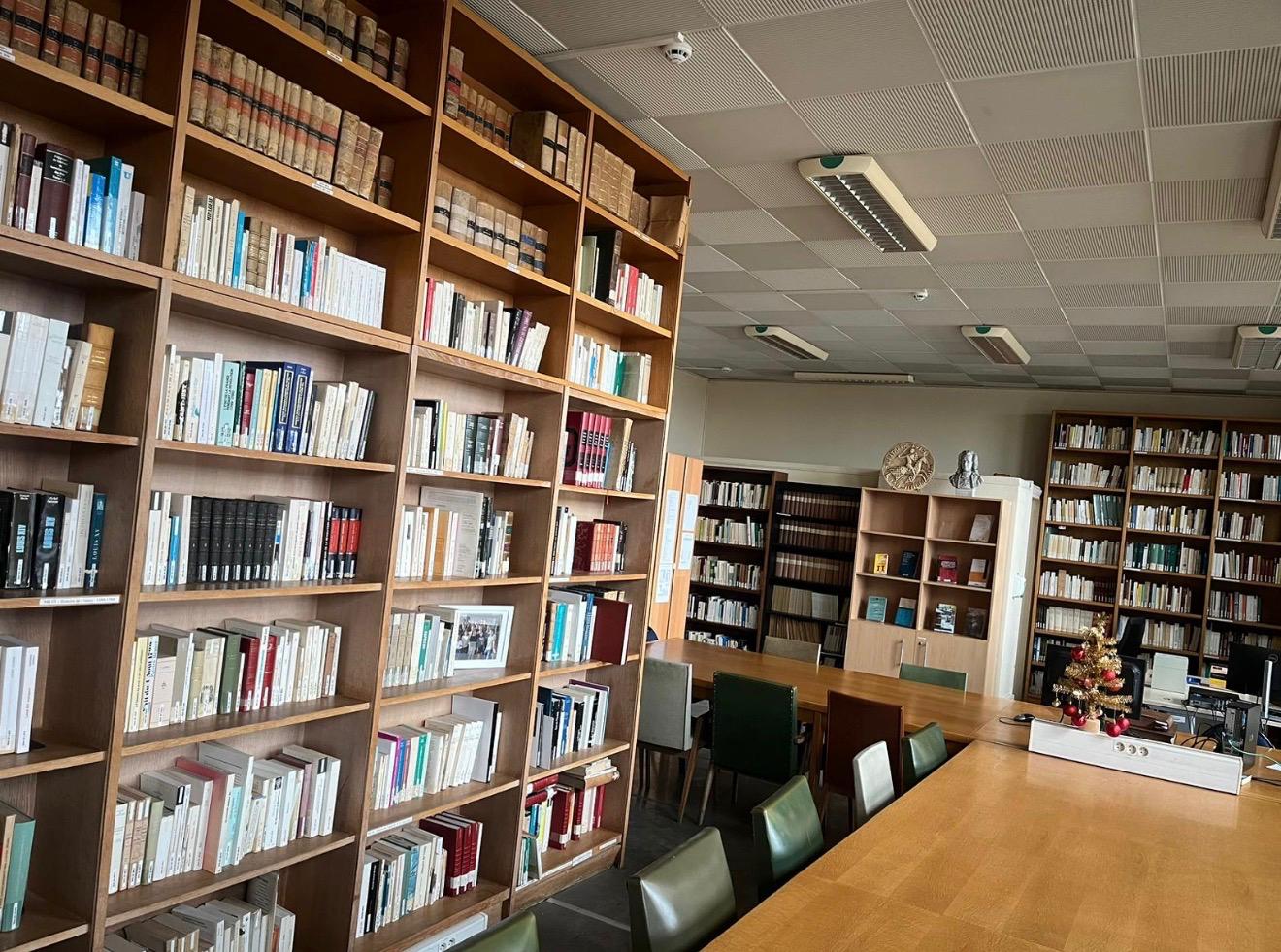
Bienvenue à la E-Bibliothèque de l’UEH

Bénéficiez l'accès à des milliers de ressources en ligne

Image de Google Jackets
Image d'OpenLibrary

What we hear, what we see in Kes / Flore Coulouma, Cornelius Crowley.

Par : Contributeur(s) : Langue : Anglais Détails de publication : Nanterre : Presses universitaires de Paris Nanterre, 2024.ISBN :
  • 978-2-84016-556-9
Sujet(s) : Ressources en ligne : Abrégé : Ken Loach's film Kes (1969) is etched into a particular time, the late 1960s, not however the “swinging sixties” London. On screen here is a different place, farther north, a Yorkshire mining village, on the surface manifestly stable, ruled by the routine of habit and necessity, with little to suggest the imminence of the industrial action of the early seventies or the defeat and dislocation of the 1980s and after.The following essays take in, from a variety of angles and approaches, what is shown and made audible in the film: a community of women, men, children, their lives woven into, both propped up and confined by, the institutional nexus of component places, home, workplace, school, public house, and component times, early morning, Friday night. What animates Ken Loach’s picture of a mining community are the tensions evident in the sights and sounds through which the modest story of Billy Casper is conveyed, a story affording access to the lives of people as they play out, in occasional and sometimes irreversible conflict with other lives.This collection of essays is part of the ongoing “Les Nords” project of the CREA, EA 370, on the interdependency between places and voices, and the social, cultural and linguistic geographies that enlighten the many guises of northern identities in the English-speaking world.
Type de document :
Tags de cette bibliothèque : Pas de tags pour ce titre. Connectez-vous pour ajouter des tags.
Evaluations
    Classement moyen : 0.0 (0 votes)
Nous n'avons pas d'exemplaire de ce document

Ebook

Ken Loach's film Kes (1969) is etched into a particular time, the late 1960s, not however the “swinging sixties” London. On screen here is a different place, farther north, a Yorkshire mining village, on the surface manifestly stable, ruled by the routine of habit and necessity, with little to suggest the imminence of the industrial action of the early seventies or the defeat and dislocation of the 1980s and after.The following essays take in, from a variety of angles and approaches, what is shown and made audible in the film: a community of women, men, children, their lives woven into, both propped up and confined by, the institutional nexus of component places, home, workplace, school, public house, and component times, early morning, Friday night. What animates Ken Loach’s picture of a mining community are the tensions evident in the sights and sounds through which the modest story of Billy Casper is conveyed, a story affording access to the lives of people as they play out, in occasional and sometimes irreversible conflict with other lives.This collection of essays is part of the ongoing “Les Nords” project of the CREA, EA 370, on the interdependency between places and voices, and the social, cultural and linguistic geographies that enlighten the many guises of northern identities in the English-speaking world.

OpenEdition Books License

https://www.openedition.org/12554

Il n'y a pas de commentaire pour ce titre.

pour proposer un commentaire.
Partager

Bibliothèque universitaire de l'UEH
Portail centralisé donnant accès au catalogue, aux ressources numériques et aux productions scientifiques de l’Université d’État d’Haïti.

Plateformes institutionnelles

  • Dépôt institutionnel UEH
  • Revues scientifiques UEH
  • GED institutionnelle
  • UEH enseignement à distance

Contact

  • Adresse : 21 Rue Rivière, Port-au-Prince
  • Email : bibliotheque@ueh.edu.ht
  • Téléphone : +509 22-45-68-43 / 22-45-68-44
  • Heures : Lundi–Vendredi 8h–16h
© 2026 UEH – E-Bibliothèque de l’Université d’État d’Haïti | À propos | Confidentialité | Conditions | Mentions légales | Accessibilité | Plan du site | Contact