

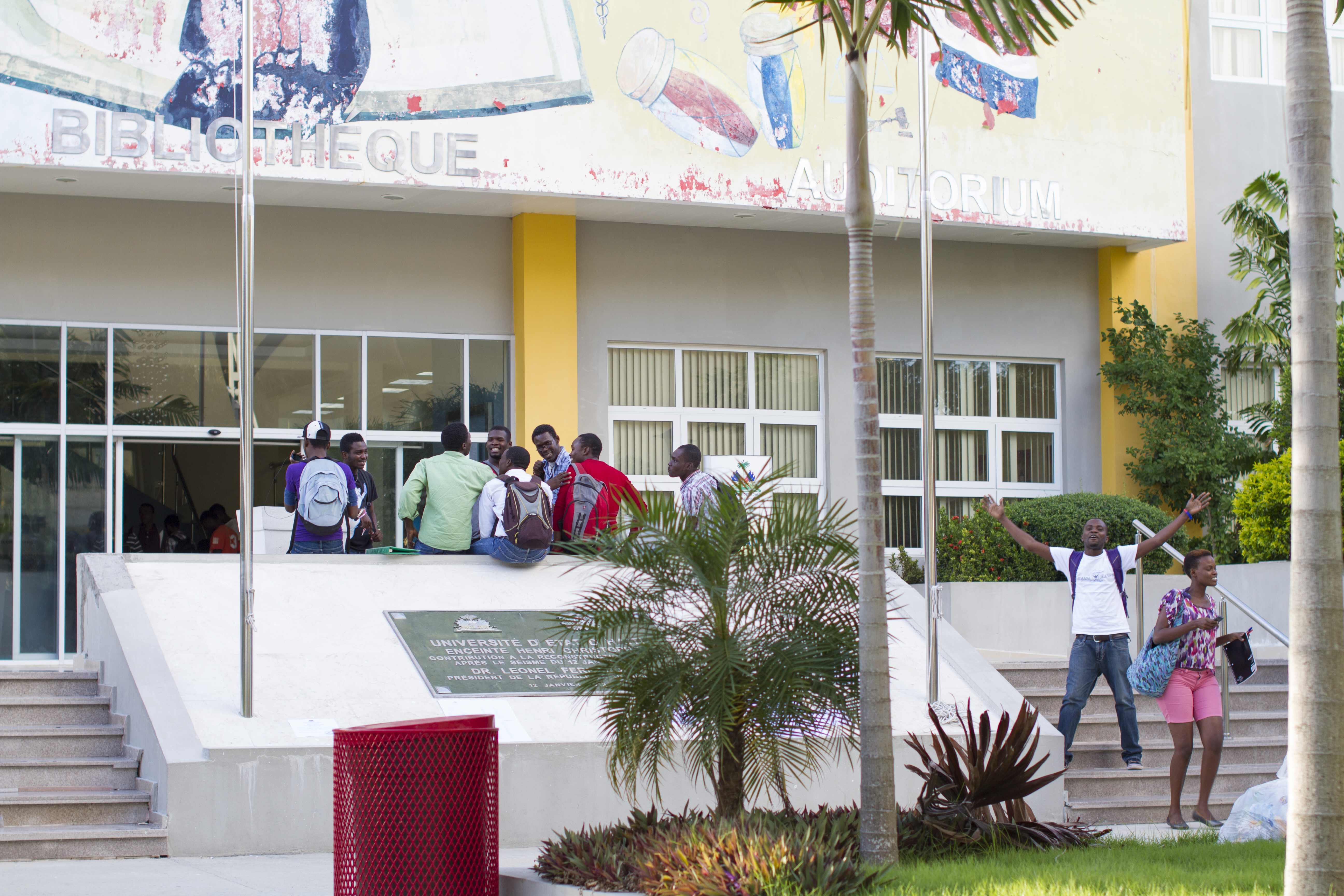
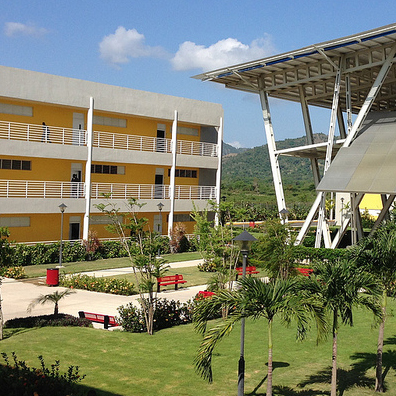
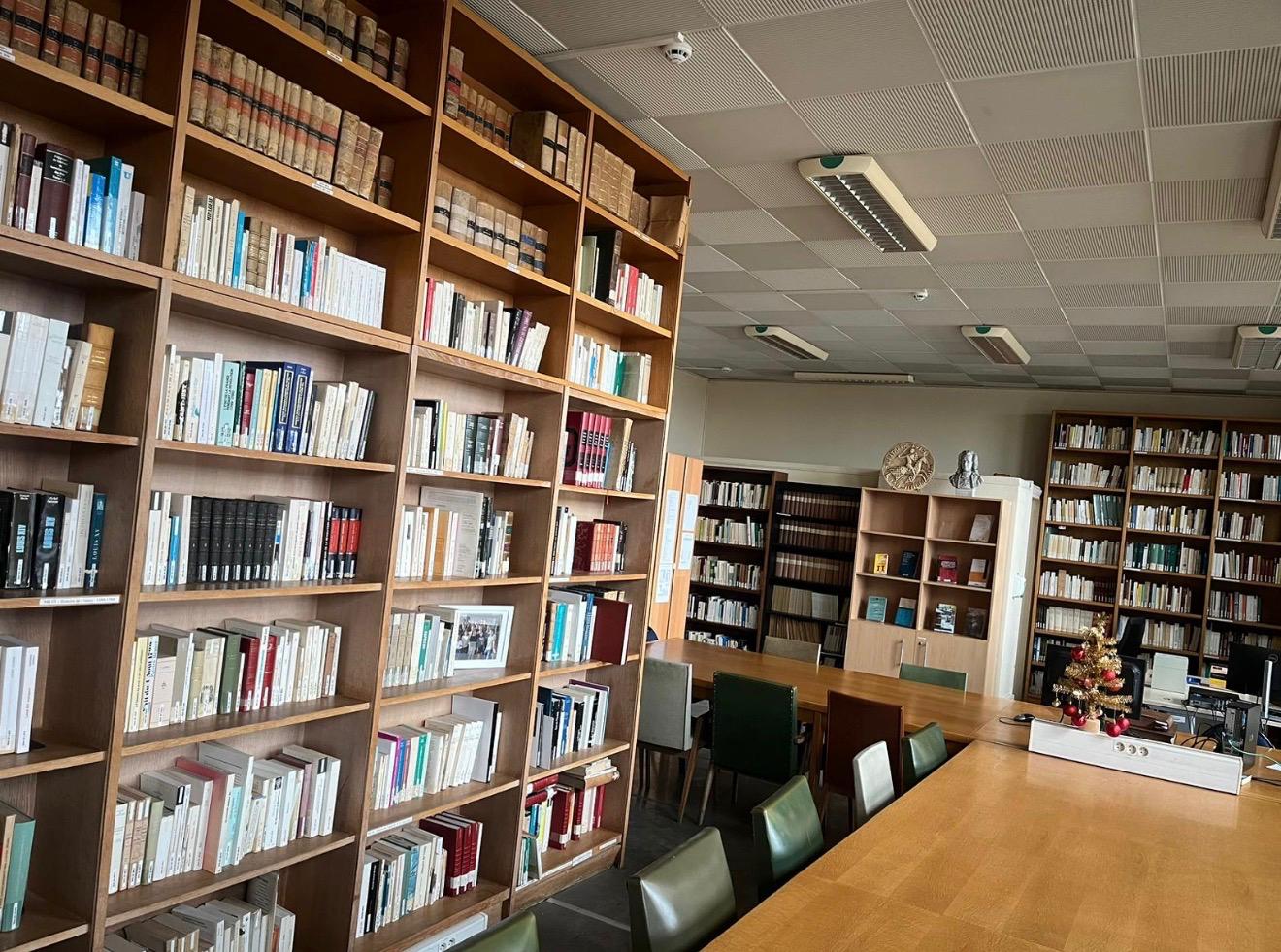
Bienvenue à la E-Bibliothèque de l’UEH

Des milliers de ressources en ligne au Bénéfice de la communauté universitaire

Image de Google Jackets
Image d'OpenLibrary

Welcome to Mitchell’s Plain : Filming a ‘Model Township’ during Apartheid / Ludmila Ommundsen Pessoa.

Par : Langue : Anglais Détails de publication : Nairobi : Africae, 2023.Description : 192 pISBN :
  • 978-2-493207-03-6
Sujet(s) : Disponible sous un autre format : Pas de titreRessources en ligne : Abrégé : Under the apartheid regime, South Africa’s Mitchell’s Plain, situated close to Cape Town, was devised as a “model township.” A cutting-edge urban planning scheme would provide middle-class Coloured people—evacuated from their homes by racialised rehousing programmes—with exemplary living conditions. This flagship for the regime was inaugurated with fanfare in 1976, and heavily publicised not just within South Africa but also in the international press. Cohorts of political leaders and journalists were invited to admire first-hand how racial segregation could be paired with progressive social planning. A documentary film was commissioned for worldwide distribution: Mitchells Plain (1980). Like other well-laid plans, however, Mitchell’s Plain would foil the designs of its architects. The vaunted utopian township was, for its inhabitants, deeply flawed: essential facilities such as schools and transport were thoroughly inadequate to the population’s needs. These sources of frustration generated a groundswell of civic activism. While the government had banked on separating the Coloured population from the national liberation movement, in 1983, Mitchell’s plain acquired important symbolic status as the birthplace of the United Democratic Front, an umbrella organisation of anti-apartheid associations. This event marked a turning point in the history of South Africa’s struggle for freedom. This study chronicles the fortunes of Mitchell’s Plain: its conception and role as propaganda for the apartheid regime. It draws on official documentary sources, but also on interviews with the various social actors whose life-experience conveys a very different image of the process, to reconstitute from a critical and historical perspective, the ill-fated window-dressing efforts of the National Party government during its declining years.
Type de document :
Tags de cette bibliothèque : Pas de tags pour ce titre. Connectez-vous pour ajouter des tags.
Evaluations
    Classement moyen : 0.0 (0 votes)
Nous n'avons pas d'exemplaire de ce document

Ebook

Under the apartheid regime, South Africa’s Mitchell’s Plain, situated close to Cape Town, was devised as a “model township.” A cutting-edge urban planning scheme would provide middle-class Coloured people—evacuated from their homes by racialised rehousing programmes—with exemplary living conditions. This flagship for the regime was inaugurated with fanfare in 1976, and heavily publicised not just within South Africa but also in the international press. Cohorts of political leaders and journalists were invited to admire first-hand how racial segregation could be paired with progressive social planning. A documentary film was commissioned for worldwide distribution: Mitchells Plain (1980). Like other well-laid plans, however, Mitchell’s Plain would foil the designs of its architects. The vaunted utopian township was, for its inhabitants, deeply flawed: essential facilities such as schools and transport were thoroughly inadequate to the population’s needs. These sources of frustration generated a groundswell of civic activism. While the government had banked on separating the Coloured population from the national liberation movement, in 1983, Mitchell’s plain acquired important symbolic status as the birthplace of the United Democratic Front, an umbrella organisation of anti-apartheid associations. This event marked a turning point in the history of South Africa’s struggle for freedom. This study chronicles the fortunes of Mitchell’s Plain: its conception and role as propaganda for the apartheid regime. It draws on official documentary sources, but also on interviews with the various social actors whose life-experience conveys a very different image of the process, to reconstitute from a critical and historical perspective, the ill-fated window-dressing efforts of the National Party government during its declining years.

CC-BY-SA-4.0

https://creativecommons.org/licenses/by-sa/4.0/

Il n'y a pas de commentaire pour ce titre.

pour proposer un commentaire.
Partager

Bibliothèque universitaire de l'UEH
Portail centralisé donnant accès au catalogue, aux ressources numériques et aux productions scientifiques de l’Université d’État d’Haïti.

Plateformes institutionnelles

  • Dépôt institutionnel UEH
  • Revues scientifiques UEH
  • GED institutionnelle
  • UEH enseignement à distance

Contact

  • Adresse : 21 Rue Rivière, Port-au-Prince
  • Email : bibliotheque@ueh.edu.ht
  • Téléphone : +509 22-45-68-43 / 22-45-68-44
  • Heures : Lundi–Vendredi 8h–16h
© 2026 UEH – E-Bibliothèque de l’Université d’État d’Haïti | À propos | Confidentialité | Conditions | Mentions légales | Accessibilité | Plan du site | Contact
-