



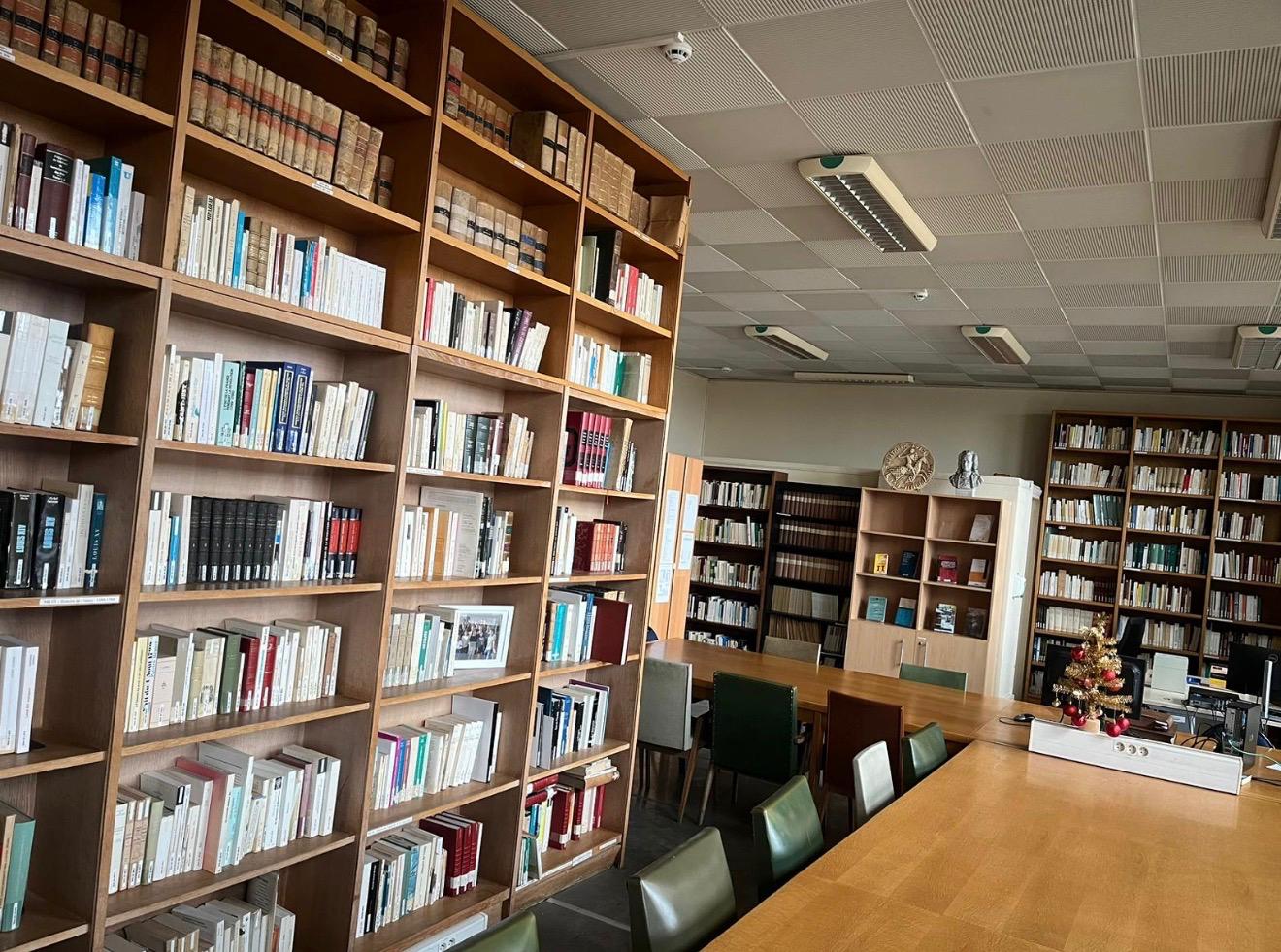
Bienvenue à la E-Bibliothèque de l’UEH

Des milliers de ressources en ligne au Bénéfice de la communauté universitaire

Image de Google Jackets
Image d'OpenLibrary

Back to Old Habits : Isolationism or the Self-Preservation of Burma’s Military Regime / Renaud Egreteau, Larry Jagan.

Par : Contributeur(s) : Langue : Anglais Détails de publication : Bangkok : Institut de recherche sur l’Asie du Sud-Est contemporaine, 2018.Description : 92 pISBN :
  • 978-2-9564470-6-1
Sujet(s) : Disponible sous un autre format : Pas de titreRessources en ligne : Abrégé : This book argues that the Burmese military regime has always favoured an isolationist-type policy that finds its grassroots in Ne Win’s autarchic and xenophobic era as well as in Burma’s royal traditions, but without being completely cut off from the outside world. This policy approach is well suited to the Burmese authoritarian state which boasts an important strategic position in the region. In the past decade, the politics of “isolationism without isolation” has been skilfully developed by Burma’s military elite in order to preserve itself from both internal and external threats. Since the Depayin crackdown in May 2003, every step the Burmese junta has taken indicates that it has been consciously defining both its foreign policy and its internal political agenda according to these isolationist tendencies, as the recent fallbacks that followed the “Saffron Revolution” (September 2007) and the Cyclone Nargis (May 2008) illustrate. Not only does the military regime tend to strategically withdraw itself from the regional scene, by choosing only a few but crucial diplomatic and commercial partners like China, India, Singapore, Russia or Thailand, but it also gradually isolates itself from the rest of the Burmese society, by opting for a strategic and nationalist entrenchment which was perfectly highlighted by the purge of the pragmatic Military Intelligence Services (2004), the transfer of the capital to Naypyidaw (2005) and the strict control over the transitional process initiated by its own “Road Map towards a disciplined democracy” and undisrupted by the recent crises.
Type de document :
Tags de cette bibliothèque : Pas de tags pour ce titre. Connectez-vous pour ajouter des tags.
Evaluations
    Classement moyen : 0.0 (0 votes)
Nous n'avons pas d'exemplaire de ce document

Ebook

This book argues that the Burmese military regime has always favoured an isolationist-type policy that finds its grassroots in Ne Win’s autarchic and xenophobic era as well as in Burma’s royal traditions, but without being completely cut off from the outside world. This policy approach is well suited to the Burmese authoritarian state which boasts an important strategic position in the region. In the past decade, the politics of “isolationism without isolation” has been skilfully developed by Burma’s military elite in order to preserve itself from both internal and external threats. Since the Depayin crackdown in May 2003, every step the Burmese junta has taken indicates that it has been consciously defining both its foreign policy and its internal political agenda according to these isolationist tendencies, as the recent fallbacks that followed the “Saffron Revolution” (September 2007) and the Cyclone Nargis (May 2008) illustrate. Not only does the military regime tend to strategically withdraw itself from the regional scene, by choosing only a few but crucial diplomatic and commercial partners like China, India, Singapore, Russia or Thailand, but it also gradually isolates itself from the rest of the Burmese society, by opting for a strategic and nationalist entrenchment which was perfectly highlighted by the purge of the pragmatic Military Intelligence Services (2004), the transfer of the capital to Naypyidaw (2005) and the strict control over the transitional process initiated by its own “Road Map towards a disciplined democracy” and undisrupted by the recent crises.

OpenEdition Books License

https://www.openedition.org/12554

Il n'y a pas de commentaire pour ce titre.

pour proposer un commentaire.
Partager

Bibliothèque universitaire de l'UEH
Portail centralisé donnant accès au catalogue, aux ressources numériques et aux productions scientifiques de l’Université d’État d’Haïti.

Plateformes institutionnelles

  • Dépôt institutionnel UEH
  • Revues scientifiques UEH
  • GED institutionnelle
  • UEH enseignement à distance

Contact

  • Adresse : 21 Rue Rivière, Port-au-Prince
  • Email : bibliotheque@ueh.edu.ht
  • Téléphone : +509 22-45-68-43 / 22-45-68-44
  • Heures : Lundi–Vendredi 8h–16h
© 2026 UEH – E-Bibliothèque de l’Université d’État d’Haïti | À propos | Confidentialité | Conditions | Mentions légales | Accessibilité | Plan du site | Contact
-