

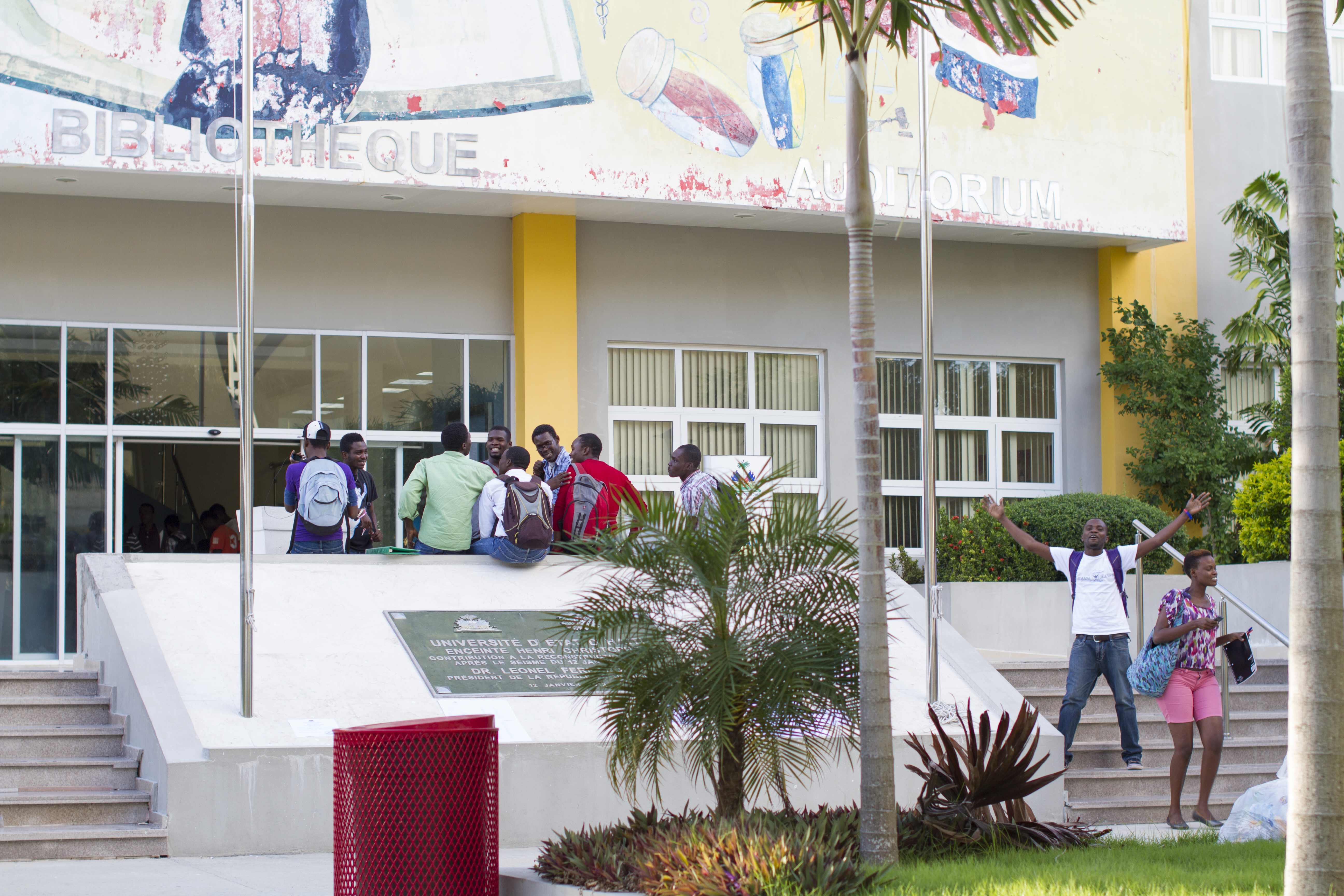
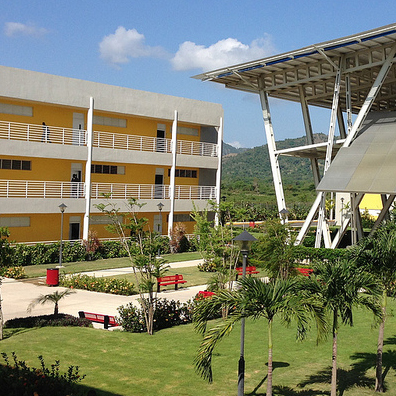
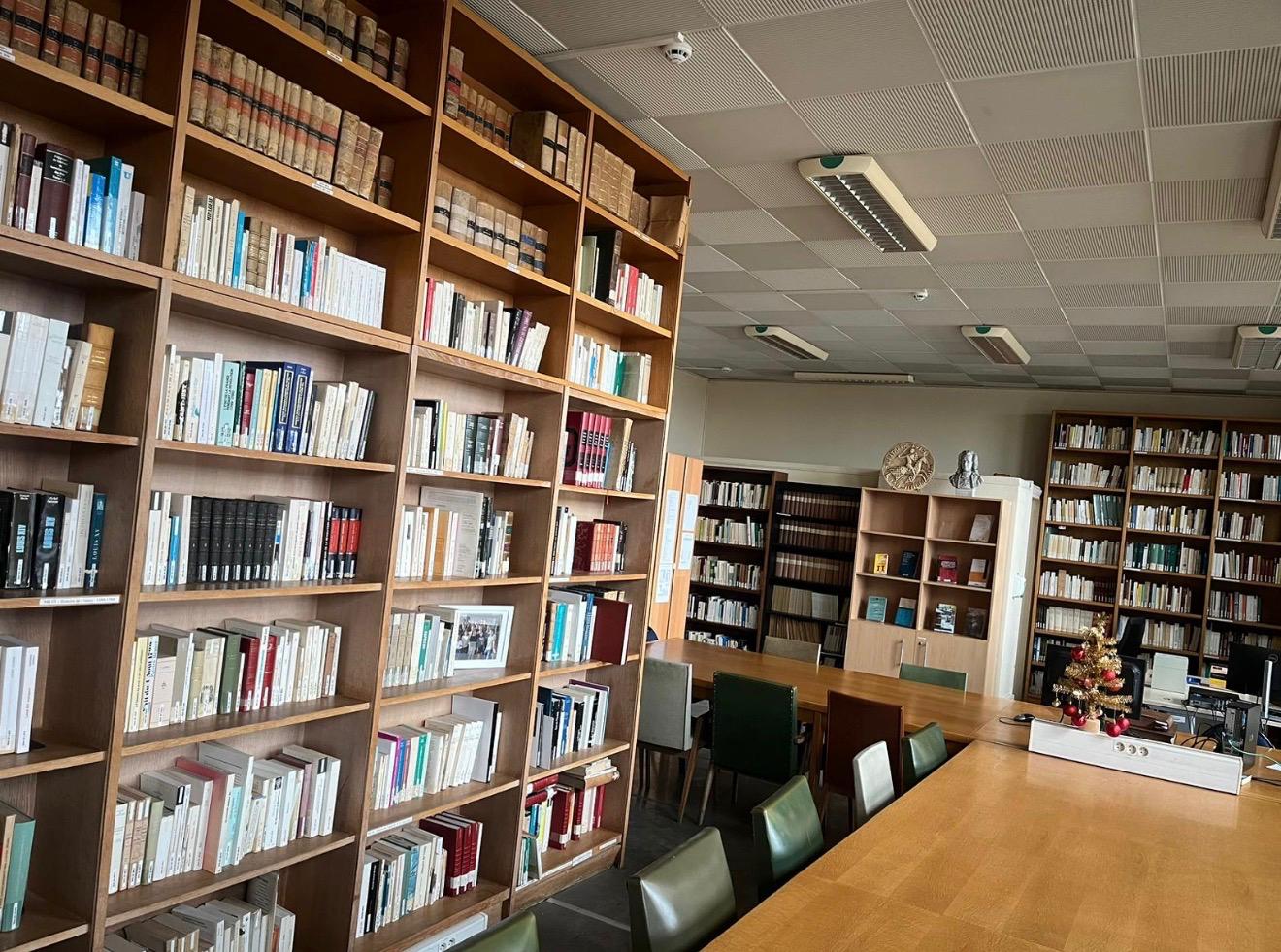
Bienvenue à la E-Bibliothèque de l’UEH

Bénéficiez l'accès à des milliers de ressources en ligne

Image de Google Jackets
Image d'OpenLibrary

Calcutta 1981 : The city, its crisis, and the debate on urban planning and development / Jean Racine.

Par : Langue : Anglais Détails de publication : Pondichéry : Institut Français de Pondichéry, 2020.Description : 486 pISBN :
  • 979-10-365-4977-9
Sujet(s) : Ressources en ligne : Abrégé : A city laden with symbolic meaning in the Western mind, Calcutta – with ten million inhabitants today – is much more than the apathetic or violent display of urban destitution in India, as seen by the world at large. This collection tries to reach precisely beyond the cliches, to enable some of those who work in the city as decision-makers, planners or analysts, to speak out and Interpret the multifaceted crisis that has hit this city as it continues to grow, even though its economy is in decline. Their words have all the force as they are derived from first-hand experience. In analysing the laboured evolution of this city, once known as "the most beautiful city east of Suez", we have provided some material on a major case-study for the debate on urban planning and development in the Third World. The planning exercise launched in Calcutta in early 1960s, with support from American experts, hoped also to halt the spread of communism in Bengal. This was a vain expectation, however, as the Communist Party of India-Marxist has been continuously voted into power since 1977. From that date, the Left Front Government has controlled the Calcutta Metropolitan Development Authority, which provides amenities to the city and metropolitan district with support from, among others, the World Bank. What are henceforth the urban development policies of "parliamentary communism"? What are the problems they are up against when action is necessary on all fronts at once? In the final analysis, for what purpose and for whom are they planning? What should be the priorities? To set up the economy to right first? To provide amenities for the city? Or to improve the daily life of the most underprivileged? When confronted with these realities, what the Left is able to achieve in power? These are some of the questions that the contributors to this collection have, in their own way, been concerned with in creating an image of present-day Calcutta, seen through its own eyes.
Type de document :
Tags de cette bibliothèque : Pas de tags pour ce titre. Connectez-vous pour ajouter des tags.
Evaluations
    Classement moyen : 0.0 (0 votes)
Nous n'avons pas d'exemplaire de ce document

Ebook

A city laden with symbolic meaning in the Western mind, Calcutta – with ten million inhabitants today – is much more than the apathetic or violent display of urban destitution in India, as seen by the world at large. This collection tries to reach precisely beyond the cliches, to enable some of those who work in the city as decision-makers, planners or analysts, to speak out and Interpret the multifaceted crisis that has hit this city as it continues to grow, even though its economy is in decline. Their words have all the force as they are derived from first-hand experience. In analysing the laboured evolution of this city, once known as "the most beautiful city east of Suez", we have provided some material on a major case-study for the debate on urban planning and development in the Third World. The planning exercise launched in Calcutta in early 1960s, with support from American experts, hoped also to halt the spread of communism in Bengal. This was a vain expectation, however, as the Communist Party of India-Marxist has been continuously voted into power since 1977. From that date, the Left Front Government has controlled the Calcutta Metropolitan Development Authority, which provides amenities to the city and metropolitan district with support from, among others, the World Bank. What are henceforth the urban development policies of "parliamentary communism"? What are the problems they are up against when action is necessary on all fronts at once? In the final analysis, for what purpose and for whom are they planning? What should be the priorities? To set up the economy to right first? To provide amenities for the city? Or to improve the daily life of the most underprivileged? When confronted with these realities, what the Left is able to achieve in power? These are some of the questions that the contributors to this collection have, in their own way, been concerned with in creating an image of present-day Calcutta, seen through its own eyes.

OpenEdition Books License

https://www.openedition.org/12554

Il n'y a pas de commentaire pour ce titre.

pour proposer un commentaire.
Partager

Bibliothèque universitaire de l'UEH
Portail centralisé donnant accès au catalogue, aux ressources numériques et aux productions scientifiques de l’Université d’État d’Haïti.

Plateformes institutionnelles

  • Dépôt institutionnel UEH
  • Revues scientifiques UEH
  • GED institutionnelle
  • UEH enseignement à distance

Contact

  • Adresse : 21 Rue Rivière, Port-au-Prince
  • Email : bibliotheque@ueh.edu.ht
  • Téléphone : +509 22-45-68-43 / 22-45-68-44
  • Heures : Lundi–Vendredi 8h–16h
© 2026 UEH – E-Bibliothèque de l’Université d’État d’Haïti | À propos | Confidentialité | Conditions | Mentions légales | Accessibilité | Plan du site | Contact