

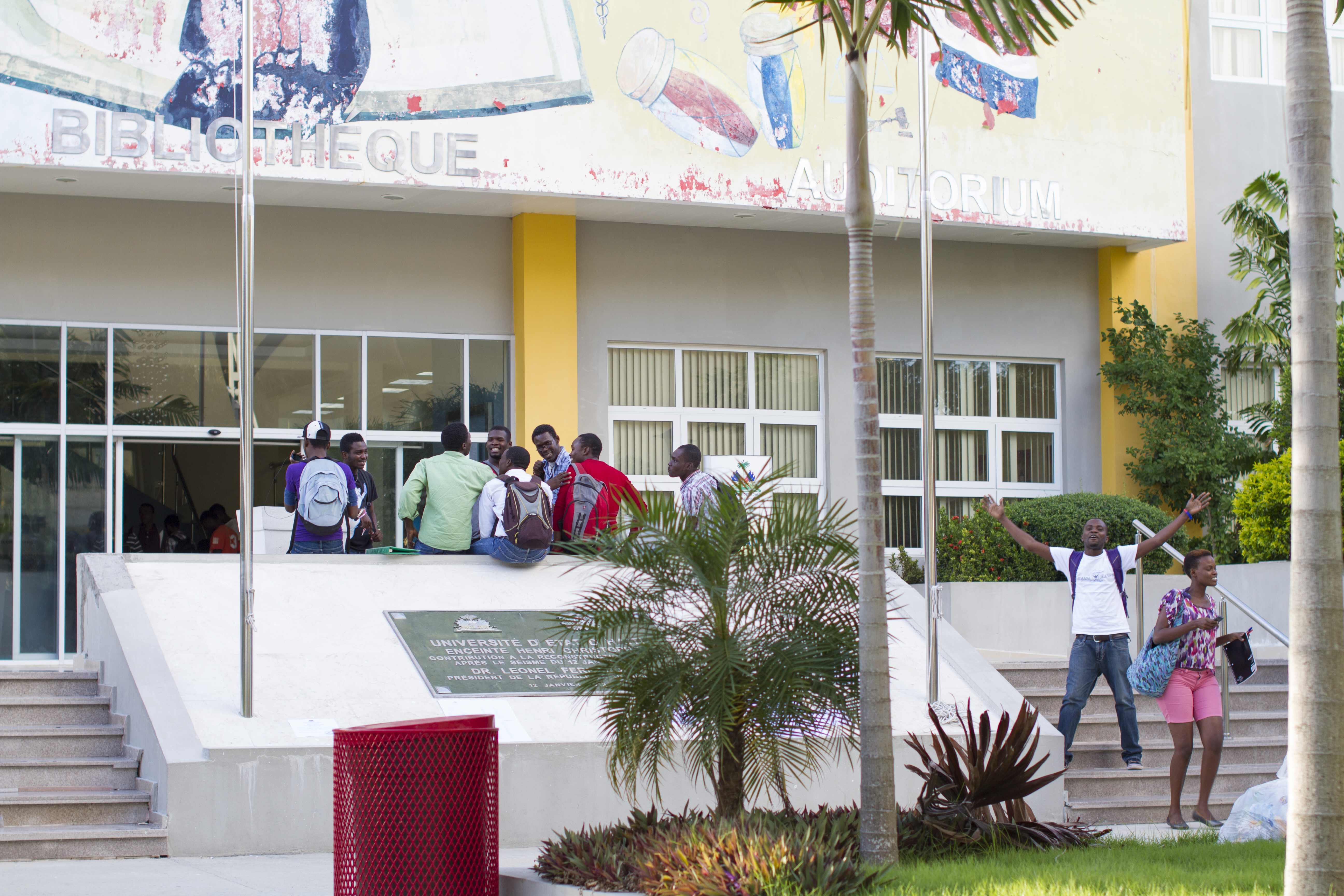


Bienvenue à la E-Bibliothèque de l’UEH

Des milliers de ressources en ligne au Bénéfice de la communauté universitaire

Image de Google Jackets
Image d'OpenLibrary

Building the New Man : Eugenics, Racial Science and Genetics in Twentieth-Century Italy / Francesco Cassata.

Par : Langue : Anglais Détails de publication : Budapest : Central European University Press, 2013.Description : 480 pISBN :
  • 978-963-9776-89-0
Sujet(s) : Disponible sous un autre format : Pas de titreRessources en ligne : Abrégé : Based on previously unexplored archival documentation, this book offers the first general overview of the history of Italian eugenics, not limited to the decades of Fascist regime, but instead ranging from the beginning of the 1900s to the first half of the 1970s. The Author discusses several fundamental themes of the comparative history of eugenics: the importance of the Latin eugenic model; the relationship between eugenics and fascism; the influence of Catholicism on the eugenic discourse and the complex links between genetics and eugenics. It examines the Liberal pre-fascist period and the post-WW2 transition from fascist and racial eugenics to medical and human genetics. As far as fascist eugenics is concerned, the book provides a refreshing analysis, considering Italian eugenics as the most important case-study in order to define Latin eugenics as an alternative model to its Anglo-American, German and Scandinavian counterparts. Analyses in detail the nature-nurture debate during the State racist campaign in fascist Italy (1938–1943) as a boundary tool in the contraposition between the different institutional, political and ideological currents of fascist racism.
Type de document :
Tags de cette bibliothèque : Pas de tags pour ce titre. Connectez-vous pour ajouter des tags.
Evaluations
    Classement moyen : 0.0 (0 votes)
Nous n'avons pas d'exemplaire de ce document

Ebook

Based on previously unexplored archival documentation, this book offers the first general overview of the history of Italian eugenics, not limited to the decades of Fascist regime, but instead ranging from the beginning of the 1900s to the first half of the 1970s. The Author discusses several fundamental themes of the comparative history of eugenics: the importance of the Latin eugenic model; the relationship between eugenics and fascism; the influence of Catholicism on the eugenic discourse and the complex links between genetics and eugenics. It examines the Liberal pre-fascist period and the post-WW2 transition from fascist and racial eugenics to medical and human genetics. As far as fascist eugenics is concerned, the book provides a refreshing analysis, considering Italian eugenics as the most important case-study in order to define Latin eugenics as an alternative model to its Anglo-American, German and Scandinavian counterparts. Analyses in detail the nature-nurture debate during the State racist campaign in fascist Italy (1938–1943) as a boundary tool in the contraposition between the different institutional, political and ideological currents of fascist racism.

OpenEdition Books License

https://www.openedition.org/12554

Il n'y a pas de commentaire pour ce titre.

pour proposer un commentaire.
Partager

Bibliothèque universitaire de l'UEH
Portail centralisé donnant accès au catalogue, aux ressources numériques et aux productions scientifiques de l’Université d’État d’Haïti.

Plateformes institutionnelles

  • Dépôt institutionnel UEH
  • Revues scientifiques UEH
  • GED institutionnelle
  • UEH enseignement à distance

Contact

  • Adresse : 21 Rue Rivière, Port-au-Prince
  • Email : bibliotheque@ueh.edu.ht
  • Téléphone : +509 22-45-68-43 / 22-45-68-44
  • Heures : Lundi–Vendredi 8h–16h
© 2026 UEH – E-Bibliothèque de l’Université d’État d’Haïti | À propos | Confidentialité | Conditions | Mentions légales | Accessibilité | Plan du site | Contact
-