

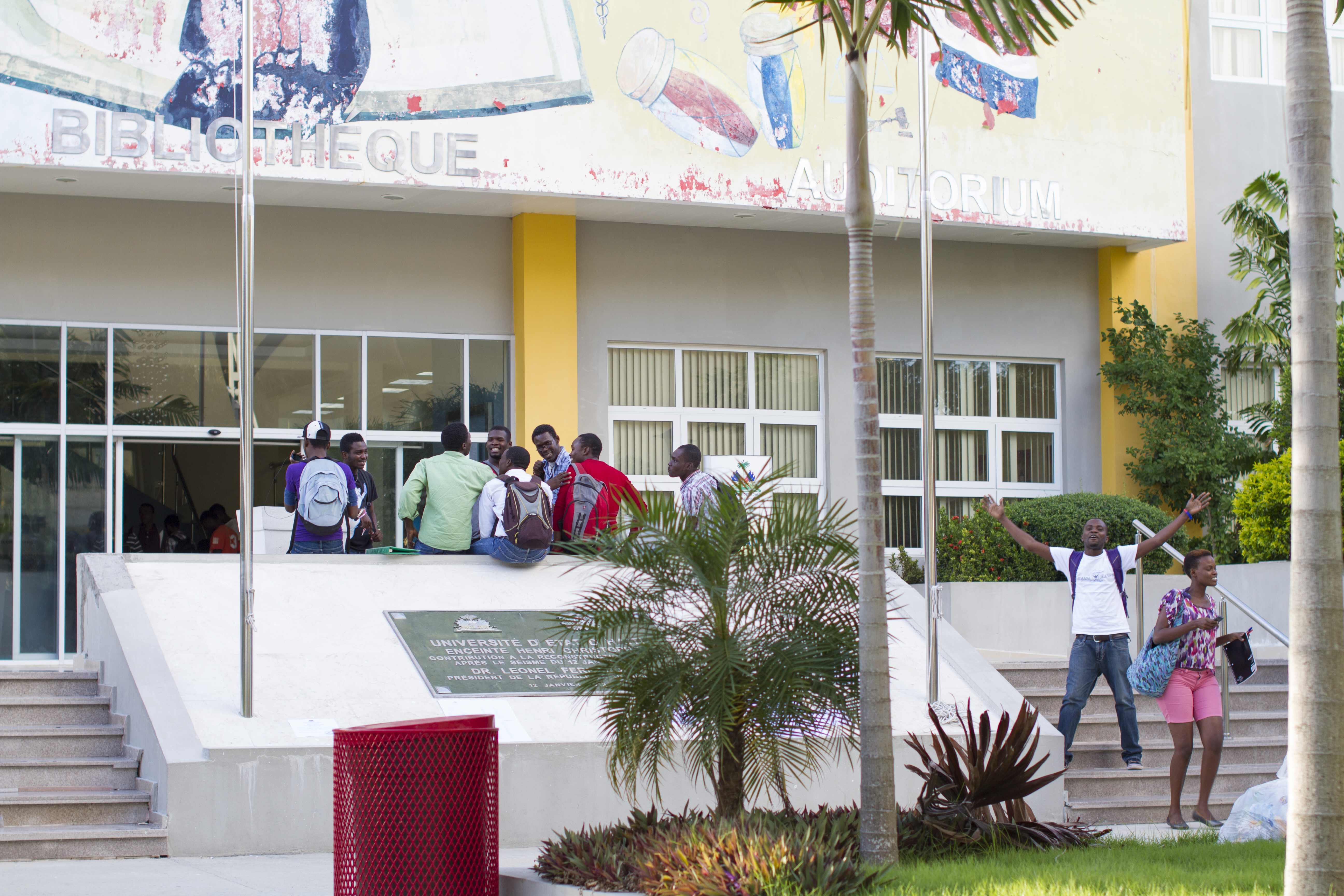

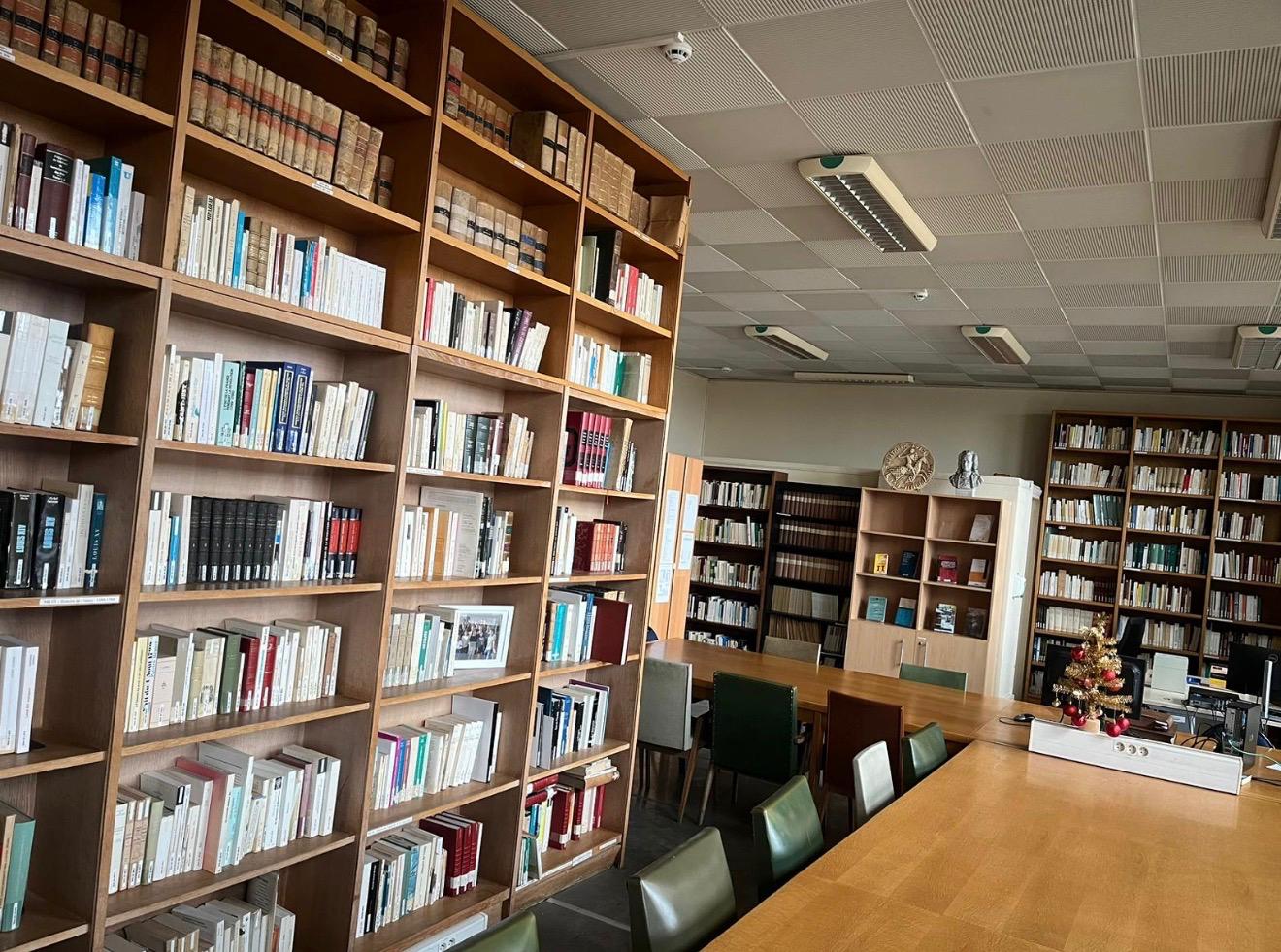
Bienvenue à la E-Bibliothèque de l’UEH

Bénéficiez l'accès à des milliers de ressources en ligne

Image de Google Jackets
Image d'OpenLibrary

Education, Economy and Identity : Ten years of Educational Reform in Thailand / Supat Chupradit, Audrey Baron-Gutty.

Par : Contributeur(s) : Langue : Anglais Détails de publication : Bangkok : Institut de recherche sur l’Asie du Sud-Est contemporaine, 2018.Description : 118 pISBN :
  • 978-2-35596-000-0
Sujet(s) : Disponible sous un autre format : Pas de titreRessources en ligne : Abrégé : Modern education in Thailand started at the end of the nineteenth century under the impulse of King Chulalongkorn. Many scholars tracing back the evolution from traditional education to a modern education system emphasized the feeling of necessity that motivated this transformation. Wyatt (1969), Mead (2004) and Watson (1982) underlined the need for a modern administration, to handle the Siamese nation-state “as” the Western states, and in that respect, the key role played by education to structure the new Siam and to appear to the eyes of the world as civilized (Peleggi 2002). The shaping of a new education took place amidst strong political struggles. Siam needed to stand firm within the regional arena, swept by the winds of Western colonialism. Internally, King Chulalongkorn had to legitimize his power and to unify the kingdom by integrating satellite kingdoms into a wider space, the Siamese nation state. Education was vital for this mission as it would contribute not only to bringing state power into the provinces through state-paid teachers and government officials, but also to transmitting a whole nation-related imagery to the young generations. Giving rise to Thai-ness among the populations located at the margins of the kingdom was a tremendous ordeal. In the Southern part of the kingdom, population was mainly Muslim, spoke Malay and felt culturally closer to the Malay state (Dulyakasem 1991). In the Northern part, incorporating the Lanna kingdom and hill tribe populations into Siam proved not to be easy. Ideological, social and national values were introduced into education delivered to students, and with the implementation of the Compulsory Education Act of 1921, school attendance tied children and parents to the nation state and made them liable to it.
Type de document :
Tags de cette bibliothèque : Pas de tags pour ce titre. Connectez-vous pour ajouter des tags.
Evaluations
    Classement moyen : 0.0 (0 votes)
Nous n'avons pas d'exemplaire de ce document

Ebook

Modern education in Thailand started at the end of the nineteenth century under the impulse of King Chulalongkorn. Many scholars tracing back the evolution from traditional education to a modern education system emphasized the feeling of necessity that motivated this transformation. Wyatt (1969), Mead (2004) and Watson (1982) underlined the need for a modern administration, to handle the Siamese nation-state “as” the Western states, and in that respect, the key role played by education to structure the new Siam and to appear to the eyes of the world as civilized (Peleggi 2002). The shaping of a new education took place amidst strong political struggles. Siam needed to stand firm within the regional arena, swept by the winds of Western colonialism. Internally, King Chulalongkorn had to legitimize his power and to unify the kingdom by integrating satellite kingdoms into a wider space, the Siamese nation state. Education was vital for this mission as it would contribute not only to bringing state power into the provinces through state-paid teachers and government officials, but also to transmitting a whole nation-related imagery to the young generations. Giving rise to Thai-ness among the populations located at the margins of the kingdom was a tremendous ordeal. In the Southern part of the kingdom, population was mainly Muslim, spoke Malay and felt culturally closer to the Malay state (Dulyakasem 1991). In the Northern part, incorporating the Lanna kingdom and hill tribe populations into Siam proved not to be easy. Ideological, social and national values were introduced into education delivered to students, and with the implementation of the Compulsory Education Act of 1921, school attendance tied children and parents to the nation state and made them liable to it.

OpenEdition Books License

https://www.openedition.org/12554

Il n'y a pas de commentaire pour ce titre.

pour proposer un commentaire.
Partager

Bibliothèque universitaire de l'UEH
Portail centralisé donnant accès au catalogue, aux ressources numériques et aux productions scientifiques de l’Université d’État d’Haïti.

Plateformes institutionnelles

  • Dépôt institutionnel UEH
  • Revues scientifiques UEH
  • GED institutionnelle
  • UEH enseignement à distance

Contact

  • Adresse : 21 Rue Rivière, Port-au-Prince
  • Email : bibliotheque@ueh.edu.ht
  • Téléphone : +509 22-45-68-43 / 22-45-68-44
  • Heures : Lundi–Vendredi 8h–16h
© 2026 UEH – E-Bibliothèque de l’Université d’État d’Haïti | À propos | Confidentialité | Conditions | Mentions légales | Accessibilité | Plan du site | Contact