



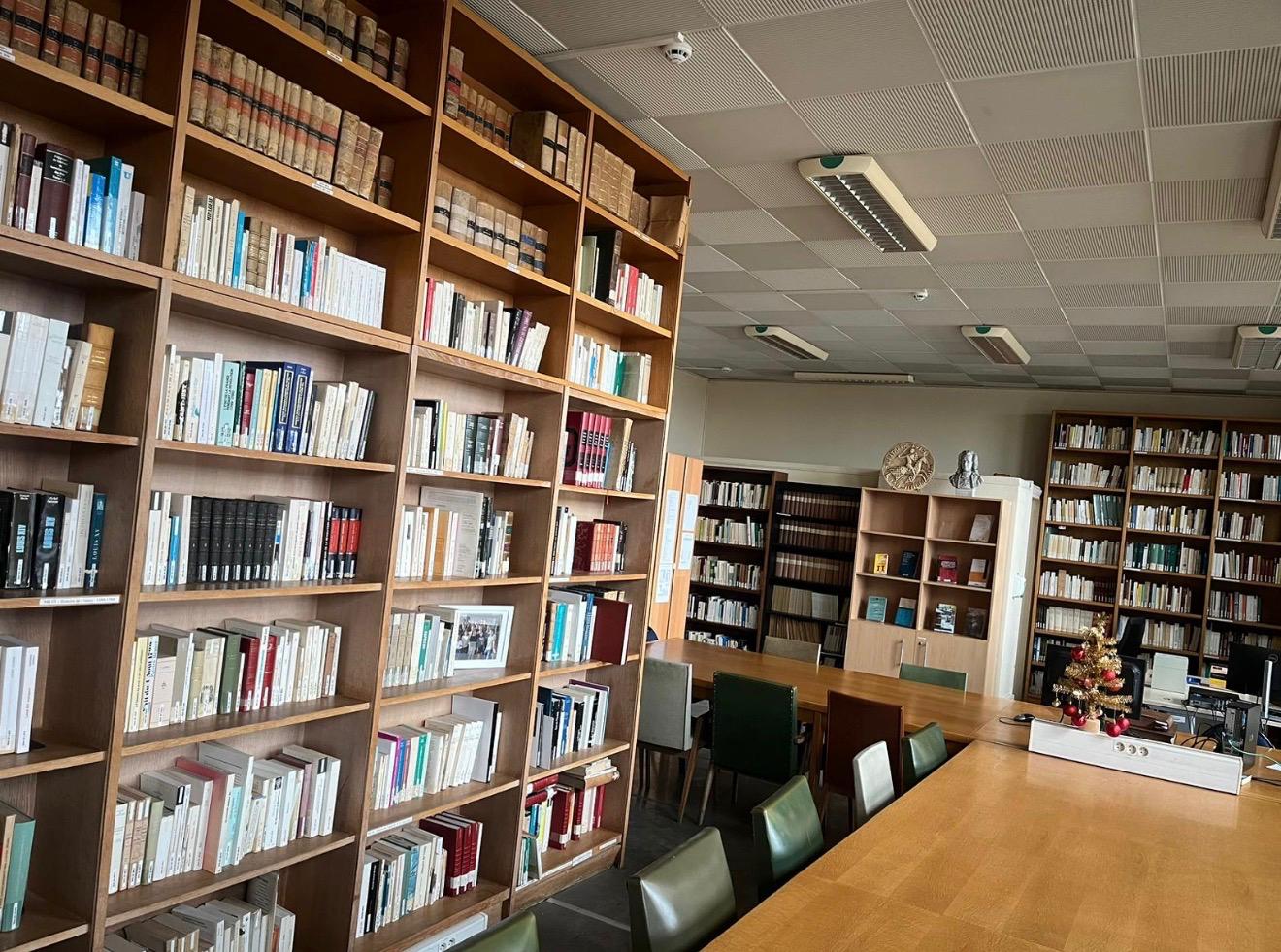
Bienvenue à la E-Bibliothèque de l’UEH

Bénéficiez l'accès à des milliers de ressources en ligne

Image de Google Jackets
Image d'OpenLibrary

The Classic Short Story, 1870-1925 : Theory of a Genre / Florence Goyet.

Par : Langue : Anglais Détails de publication : Cambridge : Open Book Publishers, 2015.Description : viii-211 pISBN :
  • 978-2-8218-5407-9
Sujet(s) : Disponible sous un autre format : Pas de titreRessources en ligne : Abrégé : The ability to construct a nuanced narrative or complex character in the constrained form of the short story has sometimes been seen as the ultimate test of an author's creativity. Yet during the time when the short story was at its most popular-the late nineteenth and early twentieth centuries-even the greatest writers followed strict generic conventions that were far from subtle. This expanded and updated translation of Florence Goyet's influential La Nouvelle, 1870-1925: Description d'un genre à son apogée (Paris, 1993) is the only study to focus exclusively on this classic period across different continents. Ranging through French, English, Italian, Russian and Japanese writing-particularly the stories of Guy de Maupassant, Henry James, Giovanni Verga, Anton Chekhov and Akutagàwa Ryünosuke-Goyet shows that these authors were able tocreate brilliant and successful short stories using the very simple 'tools of brevity' of that period. ln this challenging and far-reaching study, Goyet looks at classic short stories in the context in which they were read at the time: cheap newspapers and higher-end periodicills. She demonstrates that, despite the apparent intention of these stories to question bourgeois ideals, they mostly affirmed the prejudices of their readers. ln doing so, her book forces us to re-think our preconceptions about this 'forgotten' genre.
Type de document :
Tags de cette bibliothèque : Pas de tags pour ce titre. Connectez-vous pour ajouter des tags.
Evaluations
    Classement moyen : 0.0 (0 votes)
Nous n'avons pas d'exemplaire de ce document

Ebook

The ability to construct a nuanced narrative or complex character in the constrained form of the short story has sometimes been seen as the ultimate test of an author's creativity. Yet during the time when the short story was at its most popular-the late nineteenth and early twentieth centuries-even the greatest writers followed strict generic conventions that were far from subtle. This expanded and updated translation of Florence Goyet's influential La Nouvelle, 1870-1925: Description d'un genre à son apogée (Paris, 1993) is the only study to focus exclusively on this classic period across different continents. Ranging through French, English, Italian, Russian and Japanese writing-particularly the stories of Guy de Maupassant, Henry James, Giovanni Verga, Anton Chekhov and Akutagàwa Ryünosuke-Goyet shows that these authors were able tocreate brilliant and successful short stories using the very simple 'tools of brevity' of that period. ln this challenging and far-reaching study, Goyet looks at classic short stories in the context in which they were read at the time: cheap newspapers and higher-end periodicills. She demonstrates that, despite the apparent intention of these stories to question bourgeois ideals, they mostly affirmed the prejudices of their readers. ln doing so, her book forces us to re-think our preconceptions about this 'forgotten' genre.

CC-BY-4.0

https://creativecommons.org/licenses/by/4.0/

Il n'y a pas de commentaire pour ce titre.

pour proposer un commentaire.
Partager

Bibliothèque universitaire de l'UEH
Portail centralisé donnant accès au catalogue, aux ressources numériques et aux productions scientifiques de l’Université d’État d’Haïti.

Plateformes institutionnelles

  • Dépôt institutionnel UEH
  • Revues scientifiques UEH
  • GED institutionnelle
  • UEH enseignement à distance

Contact

  • Adresse : 21 Rue Rivière, Port-au-Prince
  • Email : bibliotheque@ueh.edu.ht
  • Téléphone : +509 22-45-68-43 / 22-45-68-44
  • Heures : Lundi–Vendredi 8h–16h
© 2026 UEH – E-Bibliothèque de l’Université d’État d’Haïti | À propos | Confidentialité | Conditions | Mentions légales | Accessibilité | Plan du site | Contact